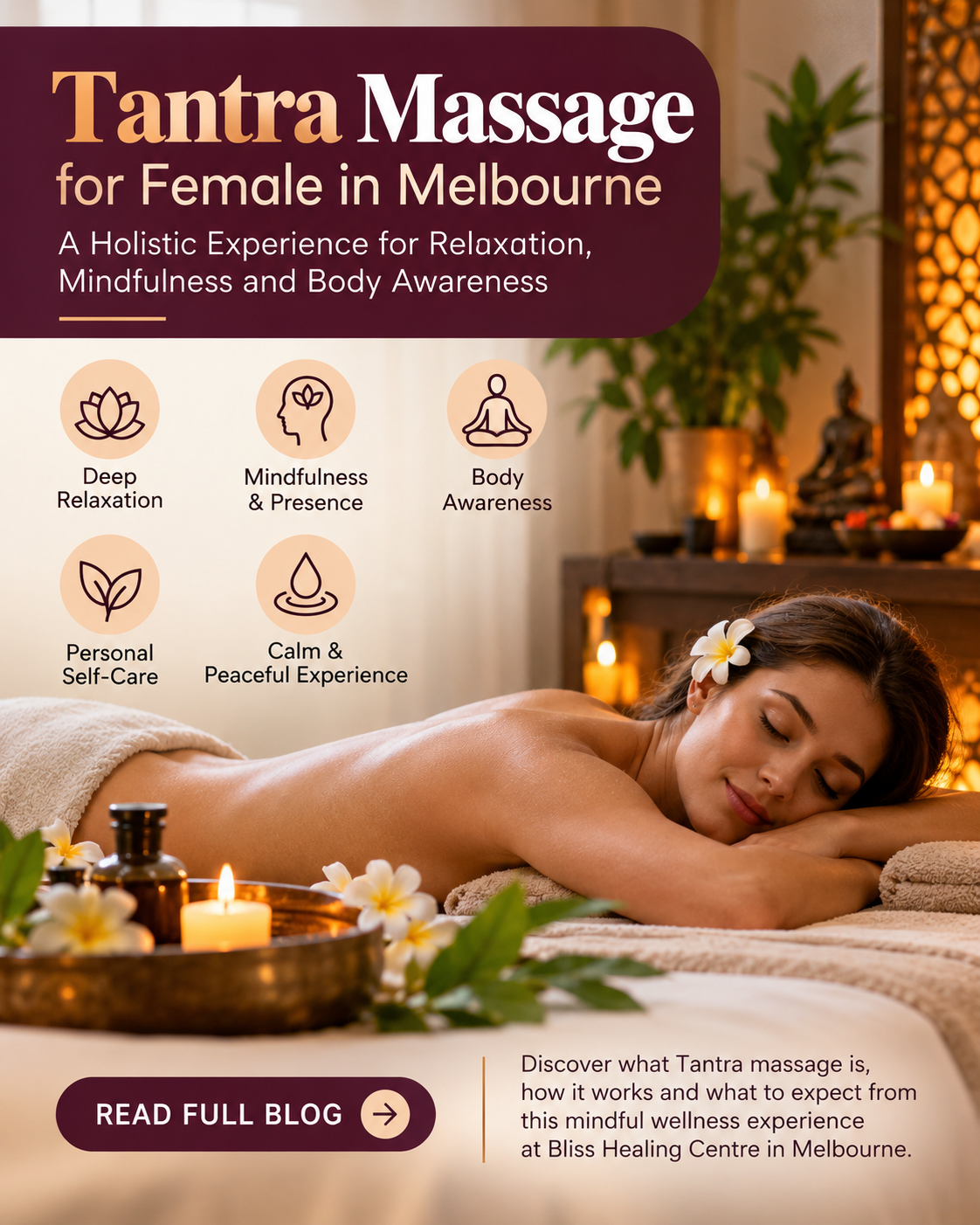
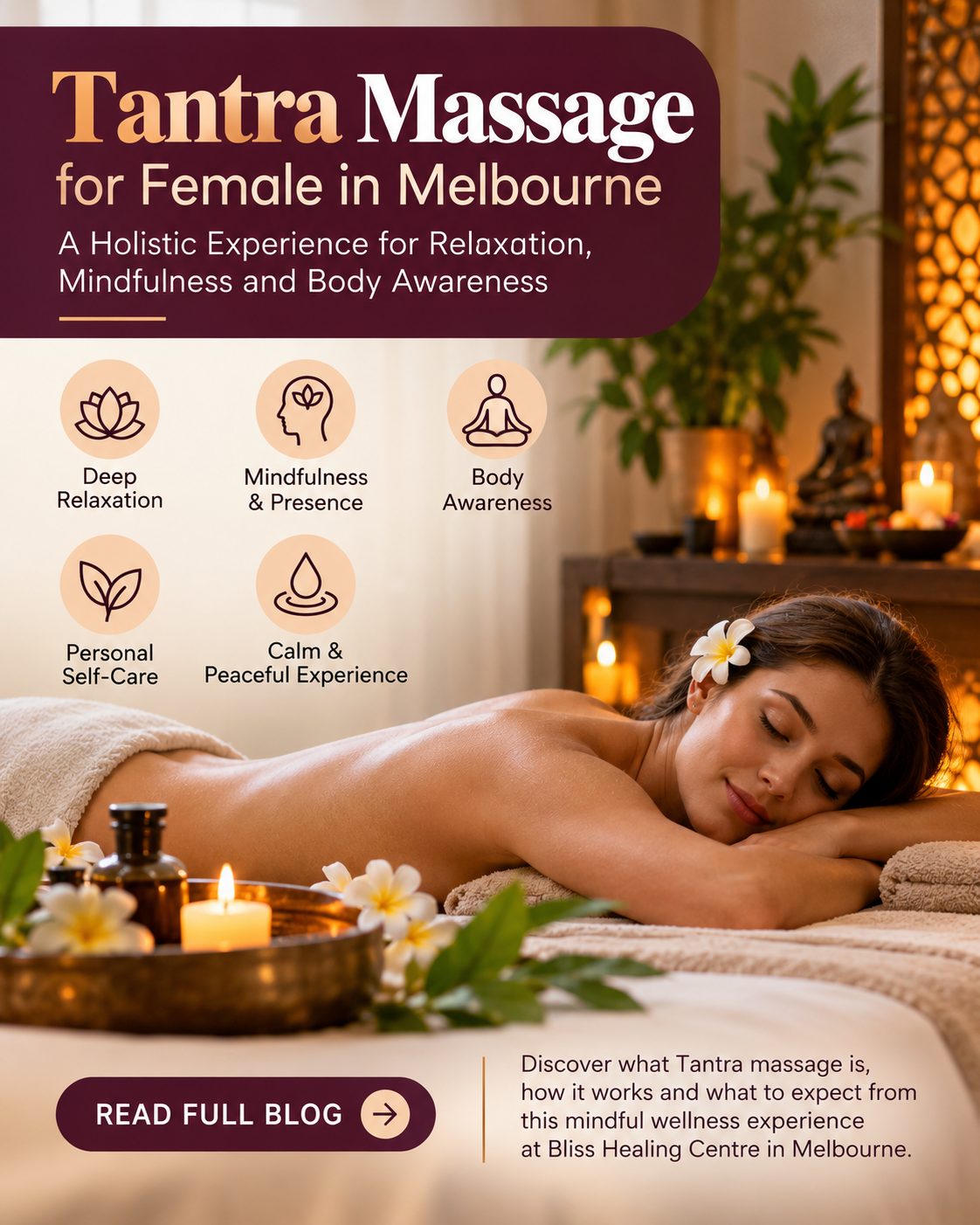
What Is Tantra Massage Therapy? Exploring Mind-Body Connection, Relaxation & Mindfulness
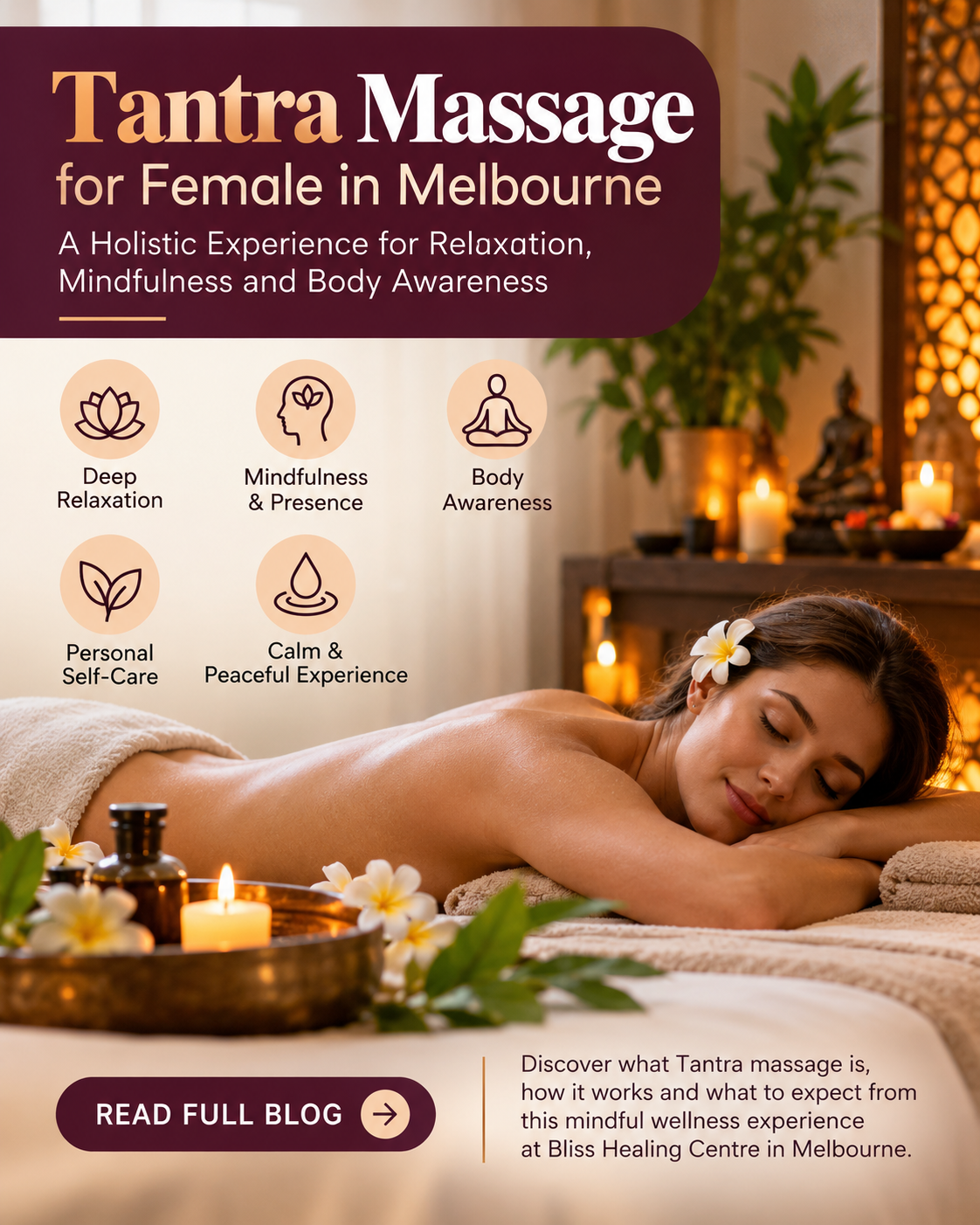
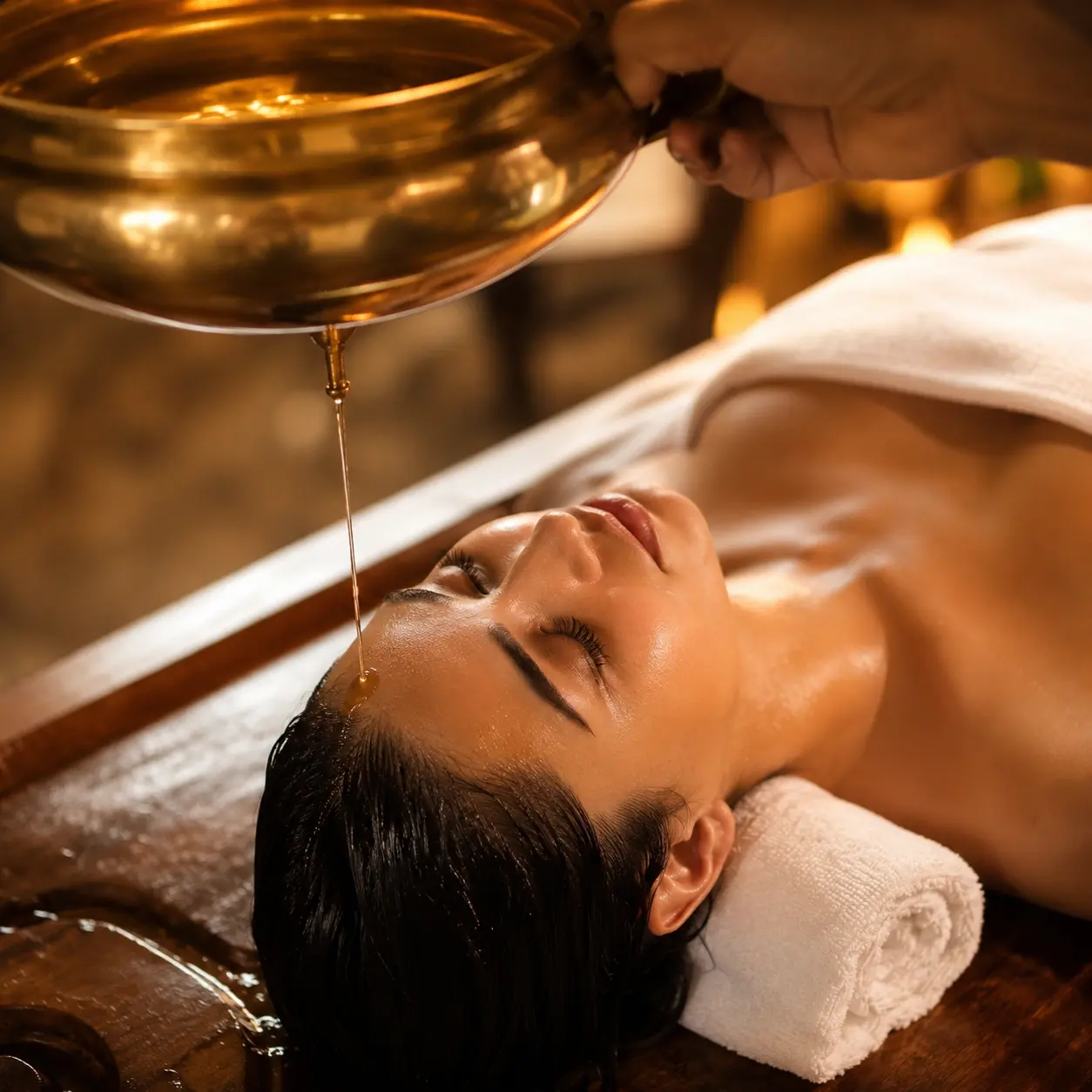
What Is Tantra Massage Therapy? Exploring Mind-Body Connection, Relaxation & Mindfulness
Many people are becoming more interested in wellness practices that encourage relaxation, mindfulness and a stronger connection with their bodies. Alongside meditation, yoga and sound healing, Tantra massage is one practice people may explore when looking for a more mindful wellness experience.
But what exactly is Tantra massage therapy? How does it differ from other forms of massage, and what should you know before booking a session?
In this guide, we explore the concept of Tantra massage, its potential wellness benefits and important considerations for anyone interested in this practice.
Understanding the Meaning of Tantra Massage
The word Tantra is associated with diverse spiritual and philosophical traditions originating in South Asia. Modern Tantra massage practices vary considerably and should not be assumed to represent all traditional tantric teachings.
In contemporary wellness settings, Tantra massage may incorporate elements such as:
Mindfulness and present-moment awareness
Conscious breathing
Attention to physical sensations
Relaxation and body awareness
Clear communication and personal boundaries
The specific techniques and session structure depend on the practitioner. Asking for an explanation before booking helps you understand what the experience will involve.
How Does Tantra Massage Differ From Conventional Massage?
Conventional massage commonly focuses on physical comfort, muscular tension and relaxation through specific massage techniques.
Tantra massage may take a broader, more awareness-based approach, depending on the practitioner. It may encourage a person to notice their breathing, physical sensations and responses throughout the session.
Neither approach is automatically better than the other. The right option depends on your personal preferences, wellness goals and comfort level.
Exploring the Mind-Body Connection
The mind and body influence one another in everyday life. Stress can affect breathing patterns and muscle tension, while physical discomfort may affect mood and concentration.
Mindfulness practices encourage people to observe their experiences without immediately reacting to them. When combined with a calm environment and appropriate bodywork, this approach may support relaxation and greater awareness of physical sensations.
Relaxation
A quiet setting and time away from daily demands may help some people feel calmer.
Awareness of Physical Sensations
Paying attention to your body can help you notice areas of tension, discomfort or ease.
Mindful Breathing
Conscious breathing is commonly used in relaxation practices to bring attention back to the present moment.
Personal Reflection
Some individuals use wellness sessions as an opportunity to slow down, reflect and prioritise self-care.
These are possible subjective experiences, not guaranteed outcomes or claims that Tantra massage treats health conditions.
Exploring Tantra Massage in Melbourne at Bliss Healing Centre
If you are curious about Tantra massage therapy in Melbourne, Bliss Healing Centre in Deer Park provides a place to enquire about holistic wellness services.
Our team can help explain the available session format, booking details and practical considerations so you can decide whether the service suits your preferences.
Location: Deer Park, Melbourne, VIC
Call or WhatsApp: +61 415 669 998
Book or enquire: Contact Bliss Healing Centre to discuss availability and ask questions before scheduling your session.
FAQs
The purpose varies by provider and individual. Contemporary sessions may focus on relaxation, mindfulness, body awareness and personal wellbeing.
Some sessions may include breathing awareness or mindfulness exercises, but this depends on the provider. Confirm the session structure before booking.
Not necessarily. Personal preferences, health considerations, comfort levels and the specific nature of the service should all be considered before booking.